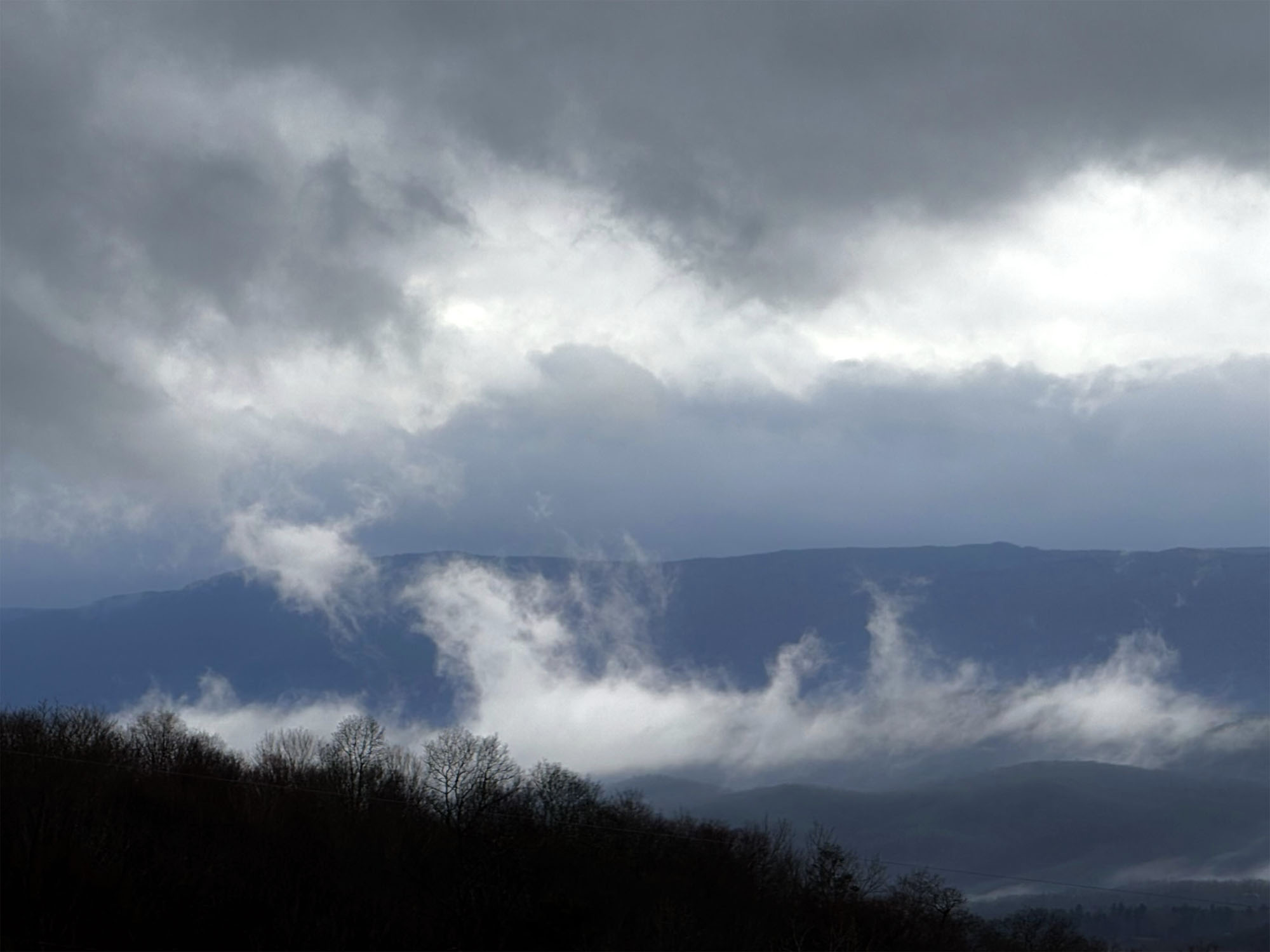
Landscape
The Cheat Mountain Club is perched in the “the attic of the forest.” We are in a sub-alpine, red spruce ecosystem that supports one of the most biologically significant areas in the Appalachians.
The red spruce have a story to tell….
Over 10,000 years ago The Ice Age drove northern vegetation
down from Canada. Boles of spruce and hemlock sprung up
in West Virginia. When the cold and ice retreated, the red spruce
were quickly crowded out by local flora — with the exception
of a few high elevation refuges like Cheat Mountain.
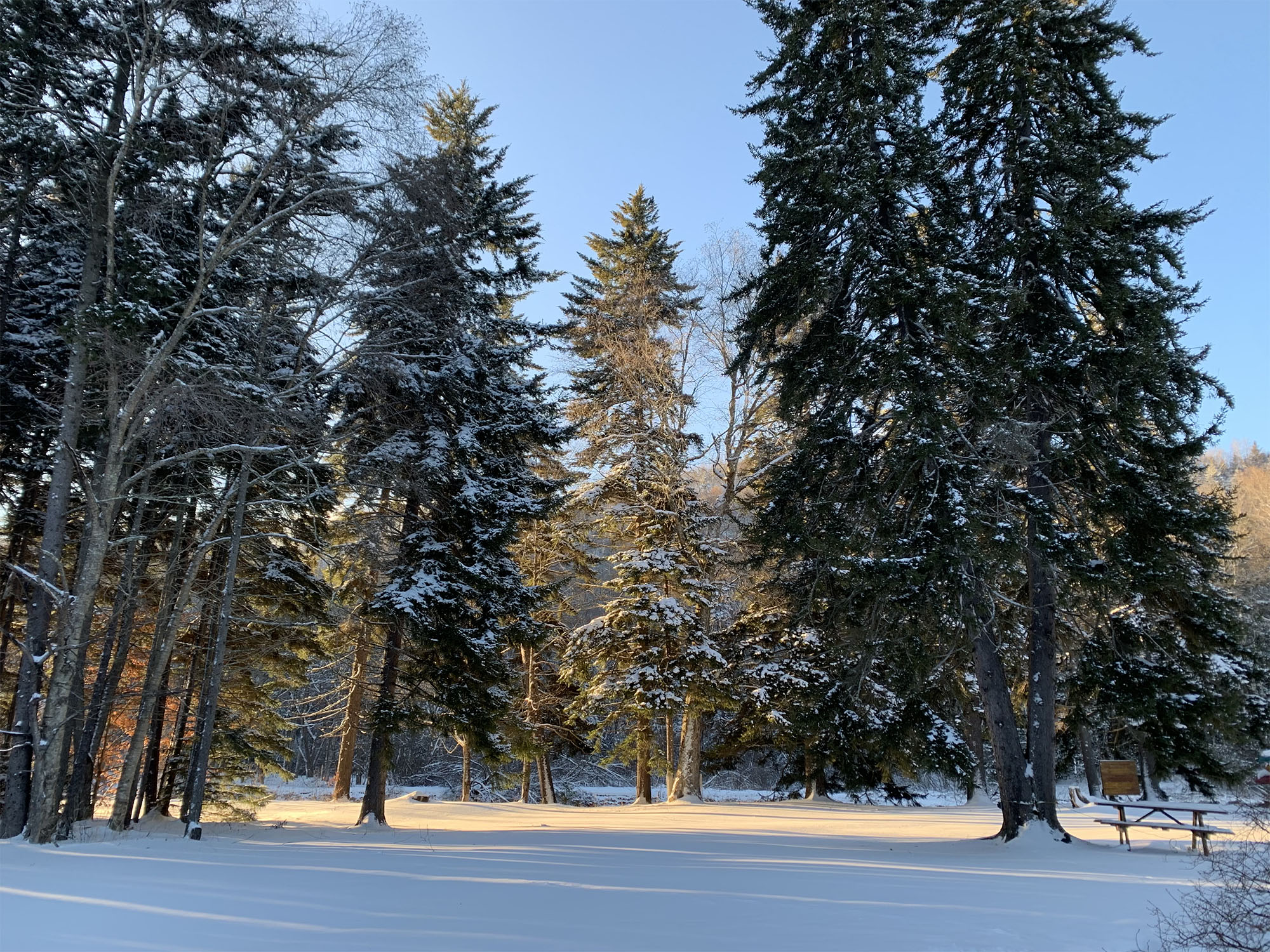

Our unique ecosystem is home to rare, and in some cases endangered, flora and fauna including the Blister Swamp balsam fir, West Virginia flying squirrel, northern goshawk, and Cheat Mountain Salamander.
We were surprised to learn that aspen trees were once abundant on Cheat Mountain, but lost due to intensive logging in the 19th and early 20th centuries. Today, the Forest Service, along non-profit organizations and CMC volunteers, are bringing them back.
A ramble along the Green Trail or Yellow Trail in the spring and summer is a treat for not just naturalists, but for photographers and painters. The kaleidoscope of colors and myriad textures along the paths are a show! Look for fiddlehead ferns, bee-balm, sunflowers, and the beguiling turks cap. Fall is an event for leaf-peepers. And even winter shows off with bright red berries on snow covered branches.

Conservation
Cheat Mountain was at the top of the list for The Nature Conservancy's 1990's campaign "Saving the Last Great Places." The Cheat Mountain Club donated 125 acres surrounding the Club to The Nature Conservancy to preserve and protect a vanishing wilderness.
